
An engineer’s eye for light
By training, I’m an electrical engineer. I’ve spent more than 15 years designing systems where every detail matters and nothing is left to chance. I bring that same mindset to photography.
Light follows rules. It falls off, reflects, bends around a face, and shapes how we read someone’s expression. I understand those rules, and I use them on purpose. Where you stand, where the light comes from, the angle of the lens, the space around you: every choice is deliberate.
But precision is only half of it. My eye is shaped by Baroque painting, where light and shadow sculpt a face and give it depth and life. The technical side gets the image right. The artistic side makes it feel like you.
That’s the difference between taking a photo and crafting a portrait.
The four fundamentals
Great portraits aren’t about expensive gear. They come from understanding how light, lenses, and people behave, then making every decision on purpose.
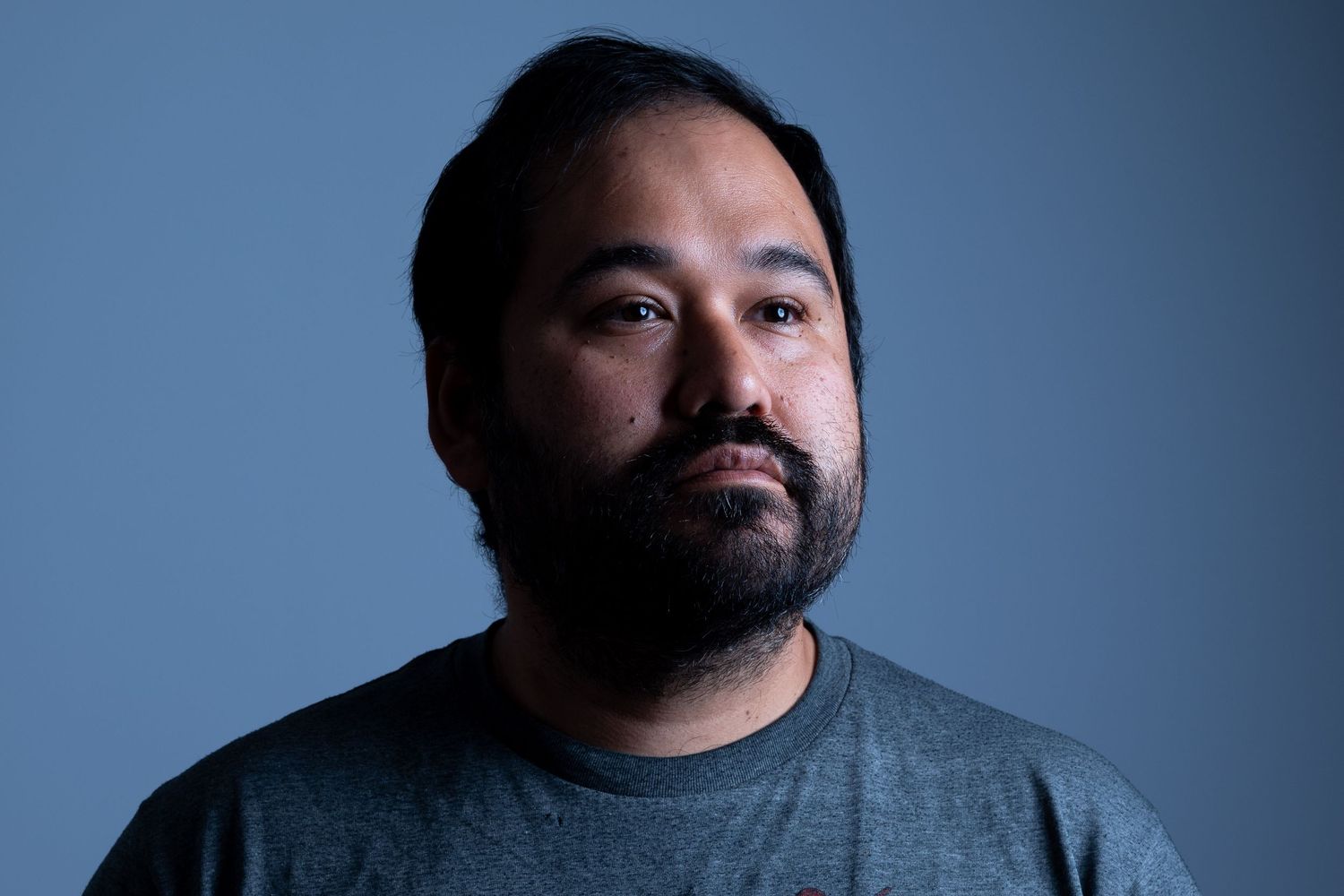
Light
Light falls off quickly with distance, so a few inches of placement change everything. I control its direction, softness, and falloff, using shadow as deliberately as highlight to give your face depth instead of the flat look of a snapshot.

Composition
Lens choice shapes your face. A wide lens up close exaggerates features, while a longer lens from farther back keeps them true. I set the lens, camera height, and angle on purpose, and control the background so nothing pulls attention from you.

Posing and expression
The camera exaggerates whatever is closest to it. Angling your shoulders, bringing your chin slightly forward, and shifting your weight all change how you’re perceived. I guide each adjustment, then wait for the expression that’s genuinely yours.

Editing
Editing is where the vision is finished. I hand-edit every image, balancing skin tones, refining light and detail, keeping color consistent across your gallery. You look like yourself on your best day. No filters, no presets slapped on in bulk.